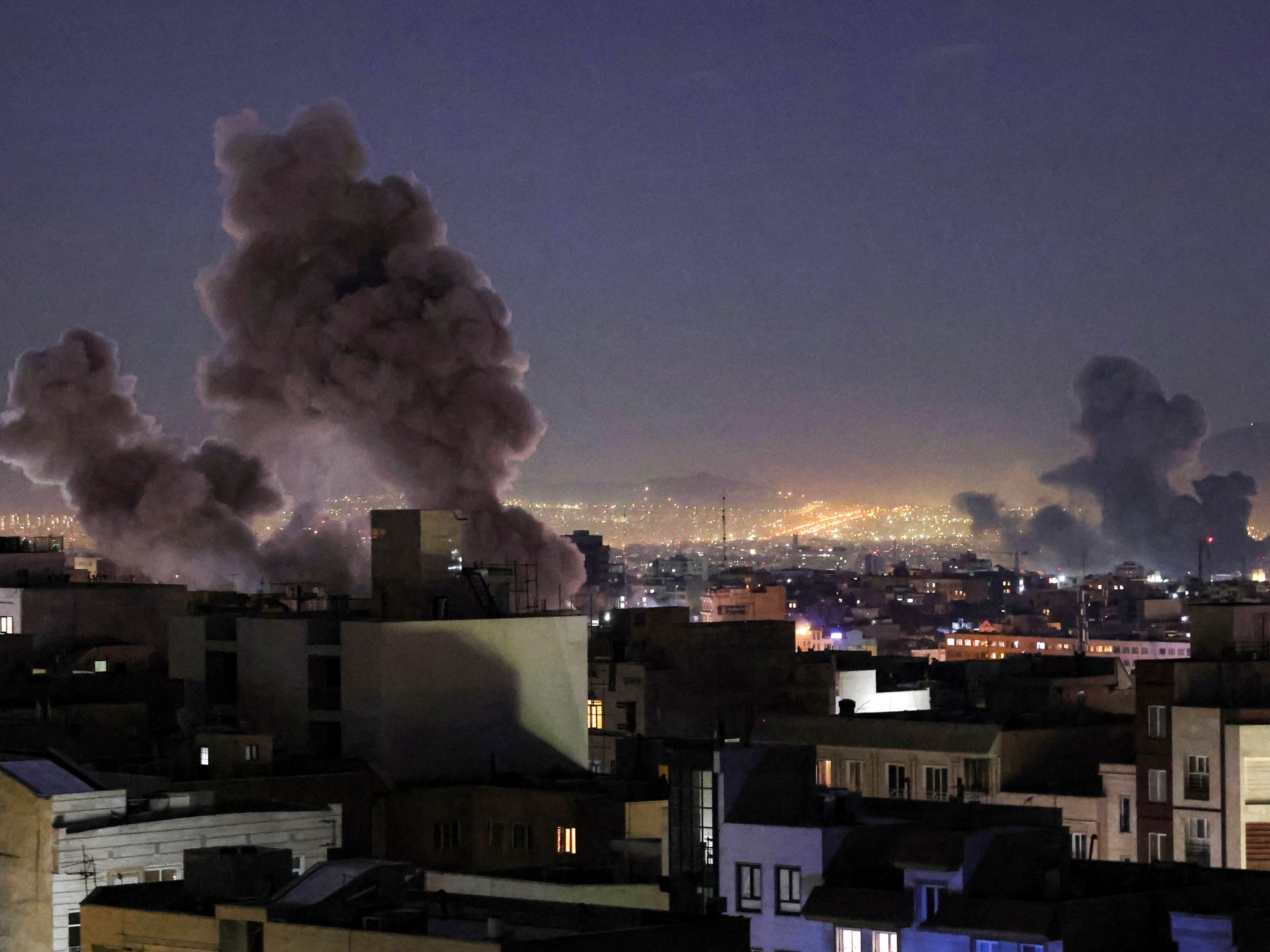
US-Israel Strikes Escalate: 4-Week Iran Operation Targets Hezbollah
The Middle East teeters on the brink of an unprecedented escalation as Israel officially declares the commencement of a sweeping offensive operation in Lebanon. This significant development, aimed squarely at the formidable Hezbollah movement, is not an isolated event but rather a critical new front in a larger, intensifying military confrontation involving the United States and Iran. The recent weeks have witnessed a dramatic unraveling of regional stability, marked by devastating strikes, high-profile assassinations, and a flurry of international condemnations. As Israel launches its Lebanon offensive against Hezbollah, the global community watches with bated breath, recognizing the profound implications for an already volatile region. This article delves into the triggers, key players, and potential ramifications of Israel's direct military action in Lebanon amidst the broader US-Iran conflict.
The Spark: Unprecedented Attacks and Retaliation
The current conflagration ignited on February 28th when the United States and Israel launched a series of extensive military strikes across Iran. Tel Aviv and Washington articulated clear objectives for these coordinated assaults: primarily, to thwart Iran's perceived pursuit of nuclear weapons capability. Beyond this non-proliferation stance, the US, under President Donald Trump, escalated its rhetoric, openly declaring intentions to dismantle Iran's naval forces and its core defense industry. Furthermore, President Trump issued a direct call to the Iranian populace to overthrow the existing regime, signaling a clear push for regime change.
These initial strikes were far from surgical, reportedly hitting not only military installations but also critical civilian infrastructure within Iran and other nations in the region. The human cost quickly became apparent, with reports from Iran indicating tragic casualties, including approximately 170 students and educators caught in the crossfire. The most significant and shocking outcome of these initial attacks was the assassination of Iran's Supreme Leader, Ayatollah Ali Khamenei. His death sent shockwaves through the Islamic Republic, plunging the nation into a 40-day period of mourning. The Israeli Defense Forces (IDF) later confirmed additional high-value targets eliminated in these strikes, including the commander of the Islamic Revolutionary Guard Corps (IRGC), Iran's Minister of Defense, the Secretary of the Supreme National Security Council, and several other top military officials. In the immediate aftermath, Ali Reza Araqi was appointed as the interim Supreme Leader, pending the election of a permanent successor.
Iran and its regional proxy, Hezbollah, were swift to respond. Attributing Khamenei's death directly to the US-Israeli attacks, Hezbollah claimed responsibility for retaliatory strikes on Israeli territory. This act of vengeance set the stage for Israel’s current move, intensifying the dangerous tit-for-tat dynamic that now grips the Middle East.
Israel's Offensive in Lebanon: Targeting Hezbollah
In a direct response to Hezbollah's retaliatory bombardments, Israel officially commenced its offensive operation in Lebanon, as confirmed by the Chief of Staff of the Israel Defense Forces (IDF), Eyal Zamir. This marks a critical escalation, transforming long-standing skirmishes into an overt military campaign on Lebanese soil. Hezbollah, recognized by Israel, the United States, the UK, and Canada as a terrorist organization, is a powerful Shia political and paramilitary movement deeply entrenched in Lebanese society. Crucially, it stands as Iran's most vital and heavily armed non-state ally in the Middle East, acting as a key component of Tehran's regional influence network.
The Israeli offensive, which intelligence sources indicate is part of a broader, approximately four-week strategy, directly targets Hezbollah’s military capabilities and infrastructure. Reports quickly emerged of significant strikes on the Lebanese capital, Beirut, with media outlets confirming the death of Muhammad Raad, the head of Hezbollah’s parliamentary bloc, in one such attack. This suggests Israel is targeting not only military assets but also key leadership figures within the organization. The stated objective is to degrade Hezbollah's ability to launch further attacks on Israel and to sever its operational links with Iran. The declaration by the IDF signifies a shift from defensive measures to proactive engagement, underscoring Israel's commitment to neutralizing perceived threats emanating from its northern border. This focused campaign in Lebanon runs concurrently with continued Israeli strikes against targets within Iran, highlighting the interconnected nature of these conflicts.
The unfolding events represent a significant turning point in the region, as Israel attacks Lebanon amid the intensifying Iran conflict, pushing regional tensions to their highest point in years. The Israeli military's resolute stance, combined with the comprehensive nature of its current operations, indicates a determined effort to reshape the security landscape.
A Broader Regional Conflict: US Involvement and International Reactions
The current Middle Eastern crisis is inextricably linked to the significant involvement of the United States. President Donald Trump has been vocal about the US military's sustained commitment, indicating that attacks on Iran are planned to continue for 'four to five weeks if necessary.' This long-term commitment underscores a strategic aim to enforce American interests and security objectives in the region, alongside those of its Israeli ally. Trump has also directly appealed to Iran's military branches – the IRGC, the regular army, and the police – urging them to lay down their arms, suggesting a hope for internal dissent or regime collapse.
The conflict's reach extends beyond the immediate combat zones. A powerful drone strike reportedly hit the UK's Akrotiri air base in Cyprus, signaling a potential widening of the conflict to include assets of other international players. This incident underscores the inherent risks of escalation, where non-combatant nations could inadvertently find themselves entangled in the rapidly expanding hostilities.
Internationally, reactions have been sharply divided. Russian President Vladimir Putin unequivocally condemned the assassination of Ayatollah Ali Khamenei, describing it as a 'cynical violation of all norms of human morality and international law.' The Russian Foreign Ministry echoed this sentiment, calling for an urgent de-escalation of hostilities and a cessation of military actions, reflecting concerns about regional instability. On the Iranian front, interim President Masoud Pezeshkian reacted fiercely, stating that by killing the Supreme Leader, Israel and the US had effectively 'declared war on Muslims worldwide.' Despite US claims of seeking negotiations with Iran's new leadership, Iran's Foreign Minister Abbas Aragchi firmly denied such overtures, dismissing the US-Israeli objective of regime change as an 'unachievable mission.' This resolute stance from Tehran indicates a firm refusal to capitulate to external pressure, setting the stage for continued confrontation rather than a diplomatic resolution.
Analyzing the Dynamics: Implications and the Road Ahead
The current military escalation between the US, Israel, Iran, and Hezbollah is a multi-layered conflict with profound implications for regional stability and global geopolitics. Understanding the motivations of each principal actor is crucial for grasping the potential trajectory of events. For Israel, the offensive in Lebanon is presented as a necessary measure to protect its borders from Hezbollah’s persistent threats, which intensified following the initial strikes on Iran. This defensive posture is coupled with a broader strategic objective to diminish Iran's proxy capabilities, which are seen as an extension of Tehran's hostile foreign policy.
The United States, while supporting Israel's actions, also frames its involvement within the context of preventing nuclear proliferation and safeguarding its strategic interests in the Middle East. President Trump's aggressive rhetoric and the proposed four-to-five-week operation suggest a determined effort to impose a new regional order or at least significantly weaken Iran's military and political influence. For Iran, the loss of its Supreme Leader is a devastating blow, yet its defiant posture – rejection of negotiations and pledges of retaliation – signals a determination to preserve its revolutionary ideology and regional standing. Hezbollah, as a key Iranian proxy, acts both as a shield for Iranian interests and a potent force in its own right, making it a critical node in this complex web of alliances and antagonisms.
The humanitarian cost of this conflict is already severe, with civilian casualties reported in Iran and Beirut. The extended duration of the proposed US operation further raises concerns about widespread devastation and a potential refugee crisis. Furthermore, the drone strike on the British base in Cyprus highlights the perilous risk of the conflict spilling over into other nations and drawing in additional international actors. The international community, led by calls from Russia for de-escalation, is grappling with how to mitigate a crisis that threatens to reshape the Middle East with unpredictable and potentially catastrophic consequences. As the Israeli offensive in Lebanon unfolds alongside continued strikes on Iran, the focus remains on whether diplomatic avenues can be reopened or if the region is destined for an extended period of intense warfare.
The declaration of a full-scale Israeli offensive in Lebanon, directly targeting Hezbollah, marks a critical and dangerous turning point in the Middle East. Triggered by a sequence of events initiated by US-Israeli strikes on Iran and the assassination of its Supreme Leader, this conflict has rapidly escalated, drawing in multiple regional and international players. With the US committing to a weeks-long operation and both Israel and Iran demonstrating unwavering resolve, the immediate future of the region appears fraught with peril. The escalating violence, the tragic loss of life, and the widening geographical scope of military actions underscore the urgent need for de-escalation and a concerted international effort to prevent further catastrophe. The path ahead is uncertain, but one thing is clear: the current conflict will undoubtedly leave an indelible mark on the landscape of the Middle East.